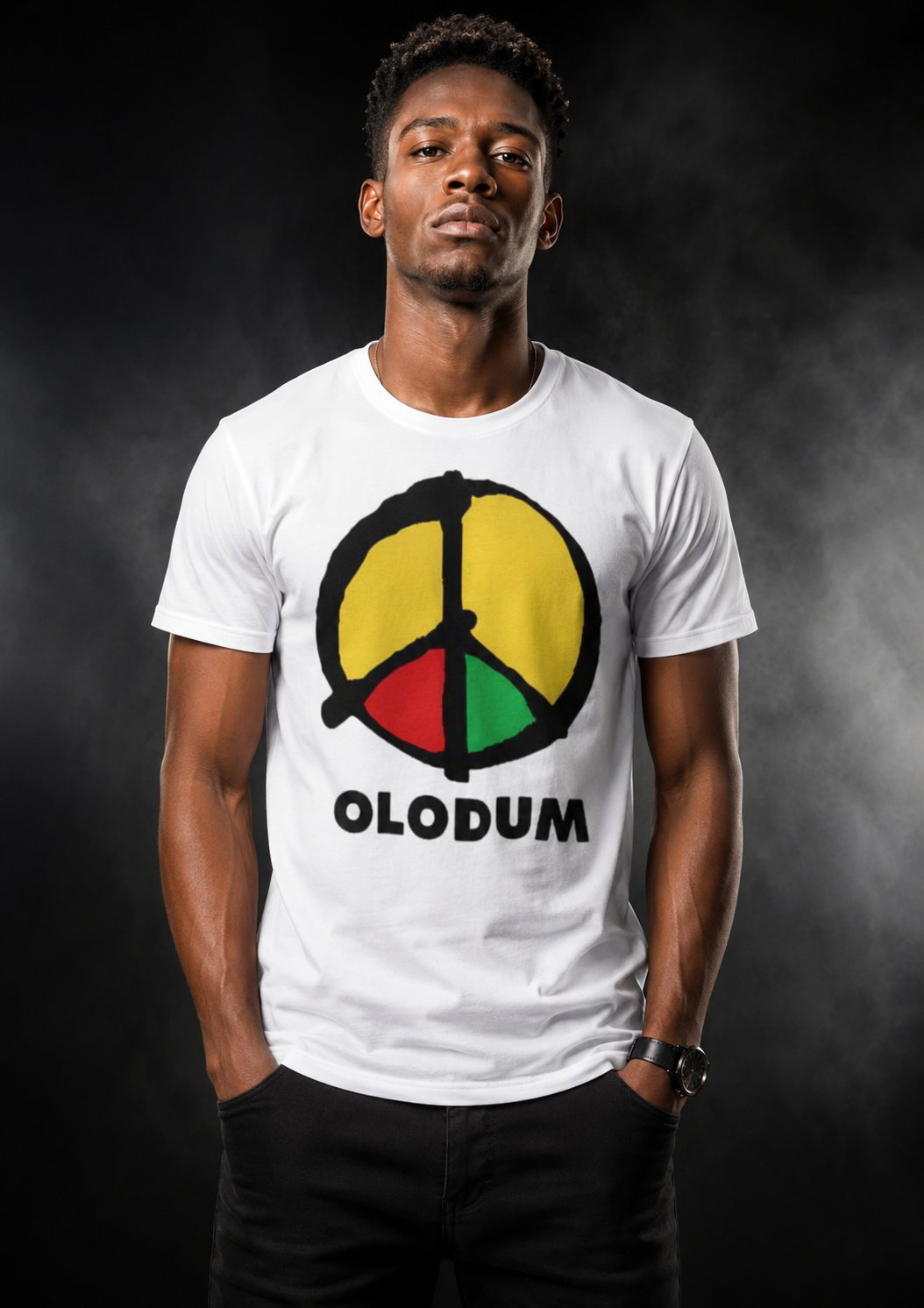

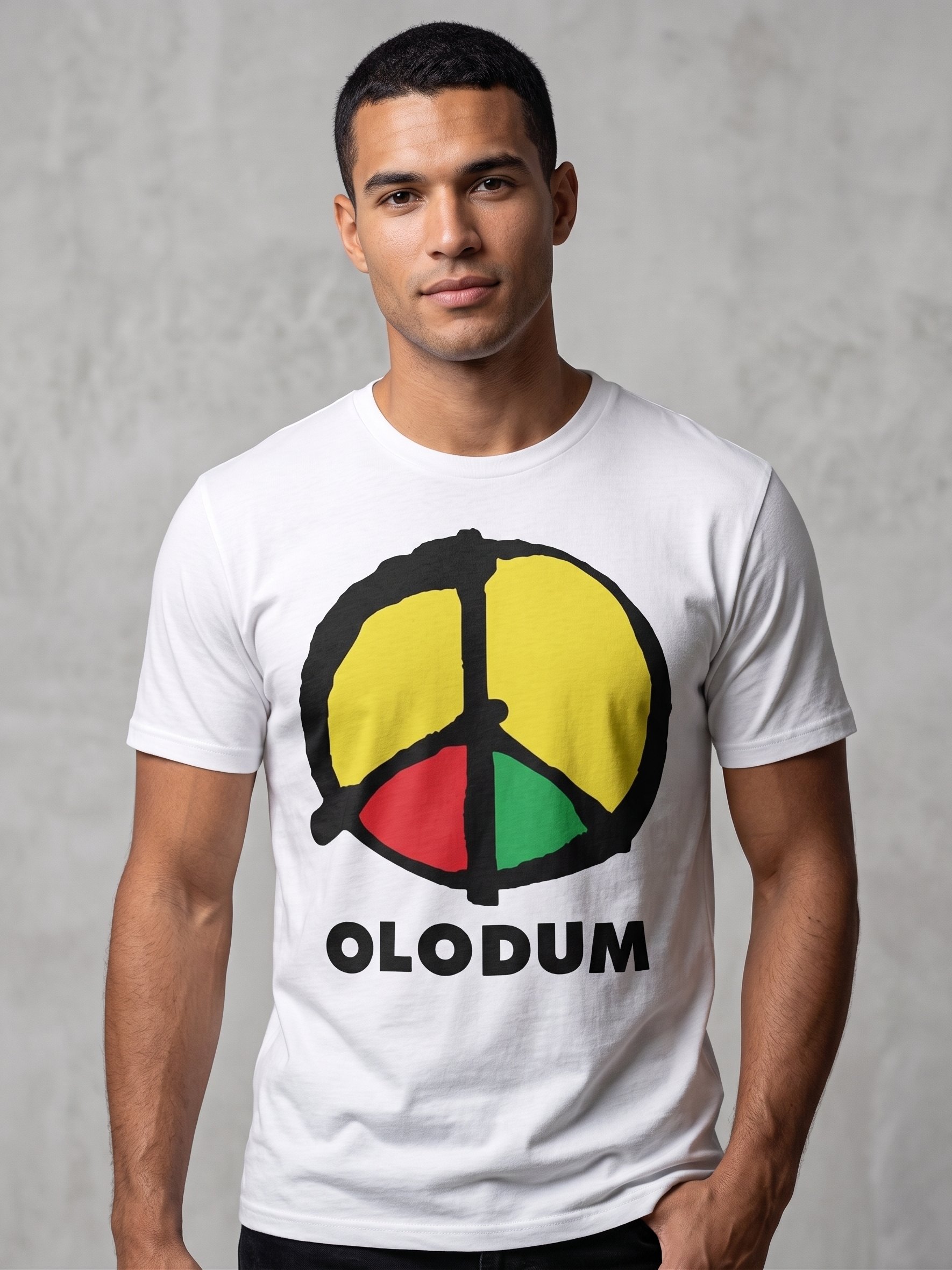

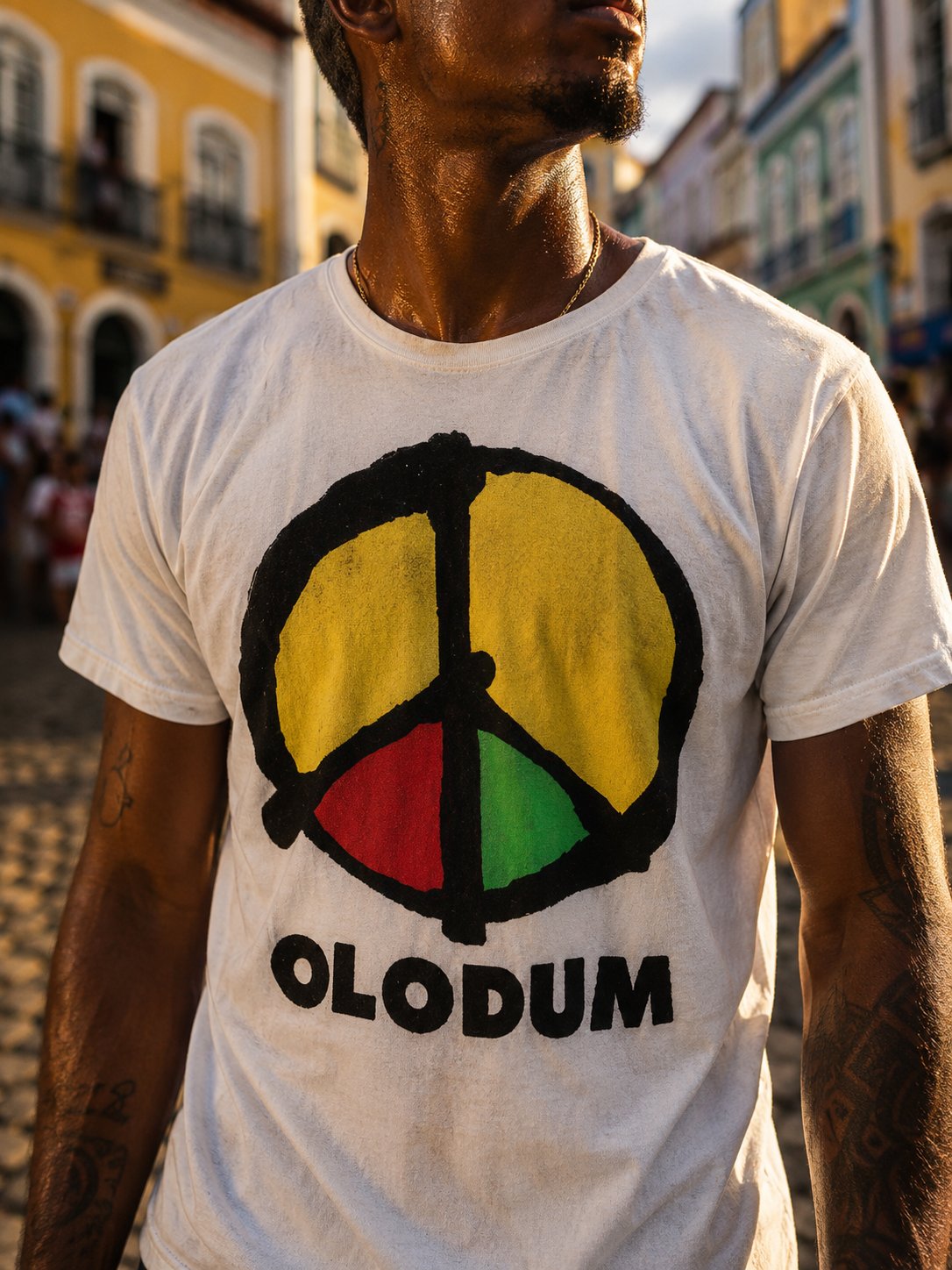

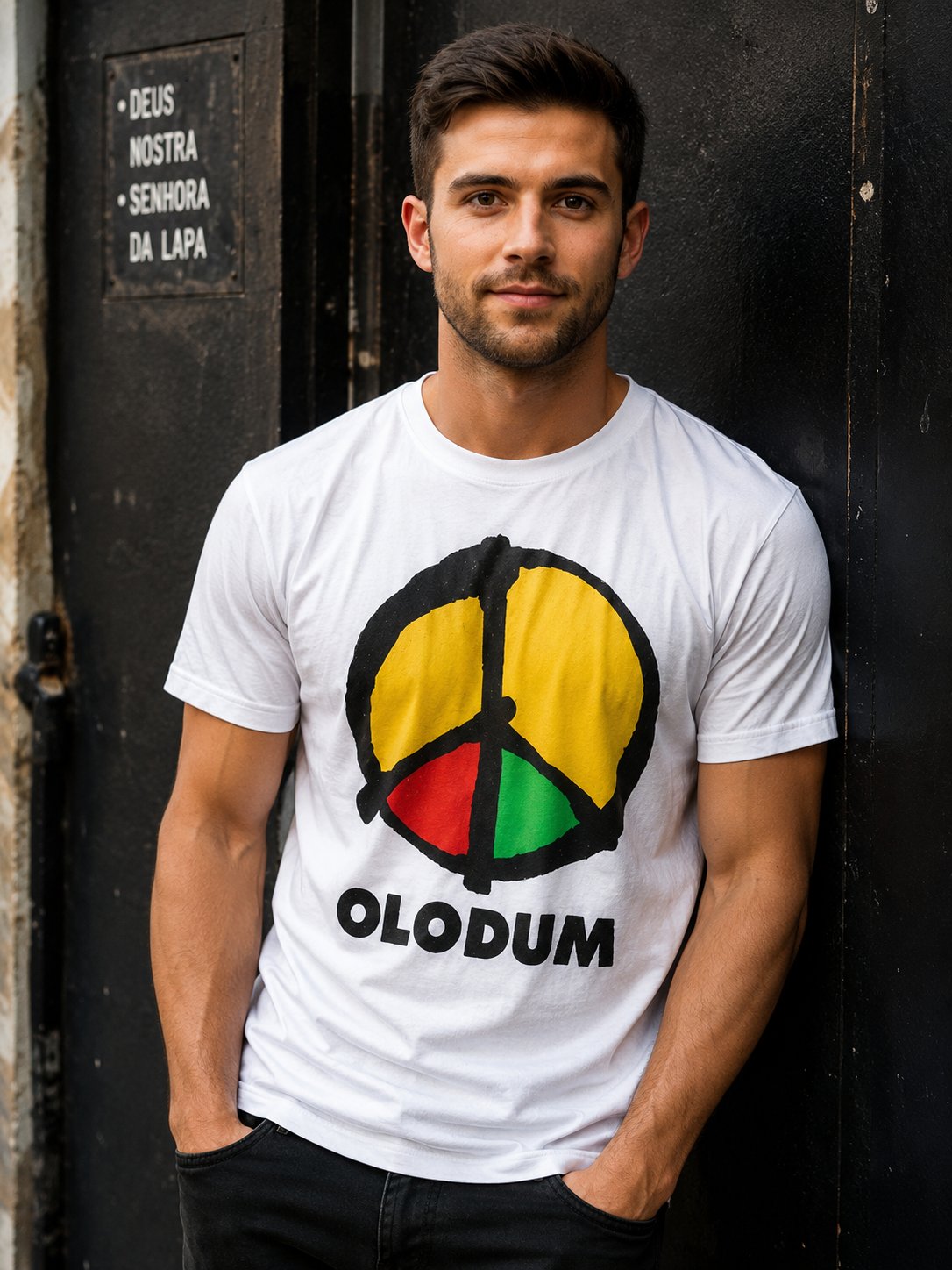
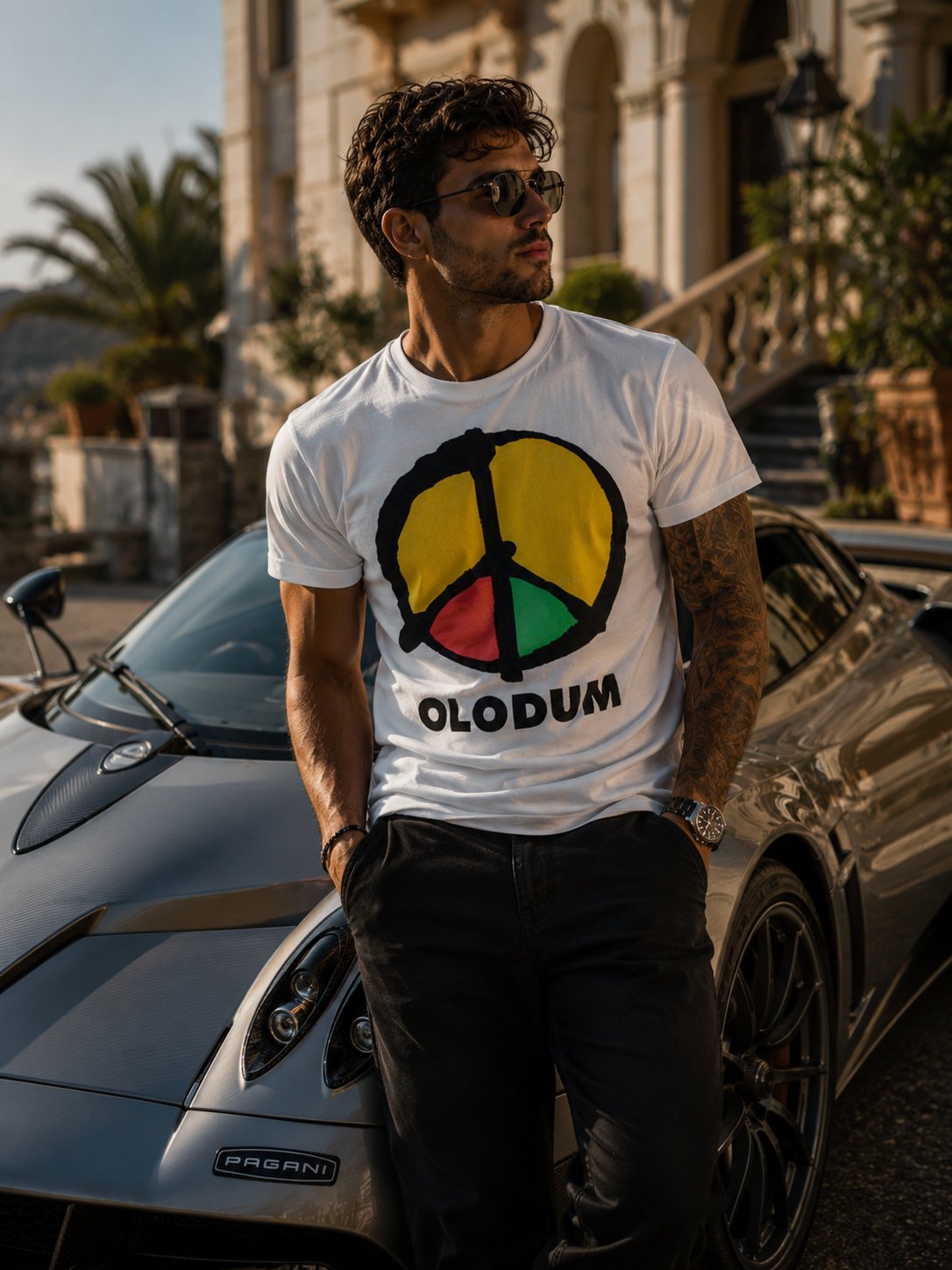
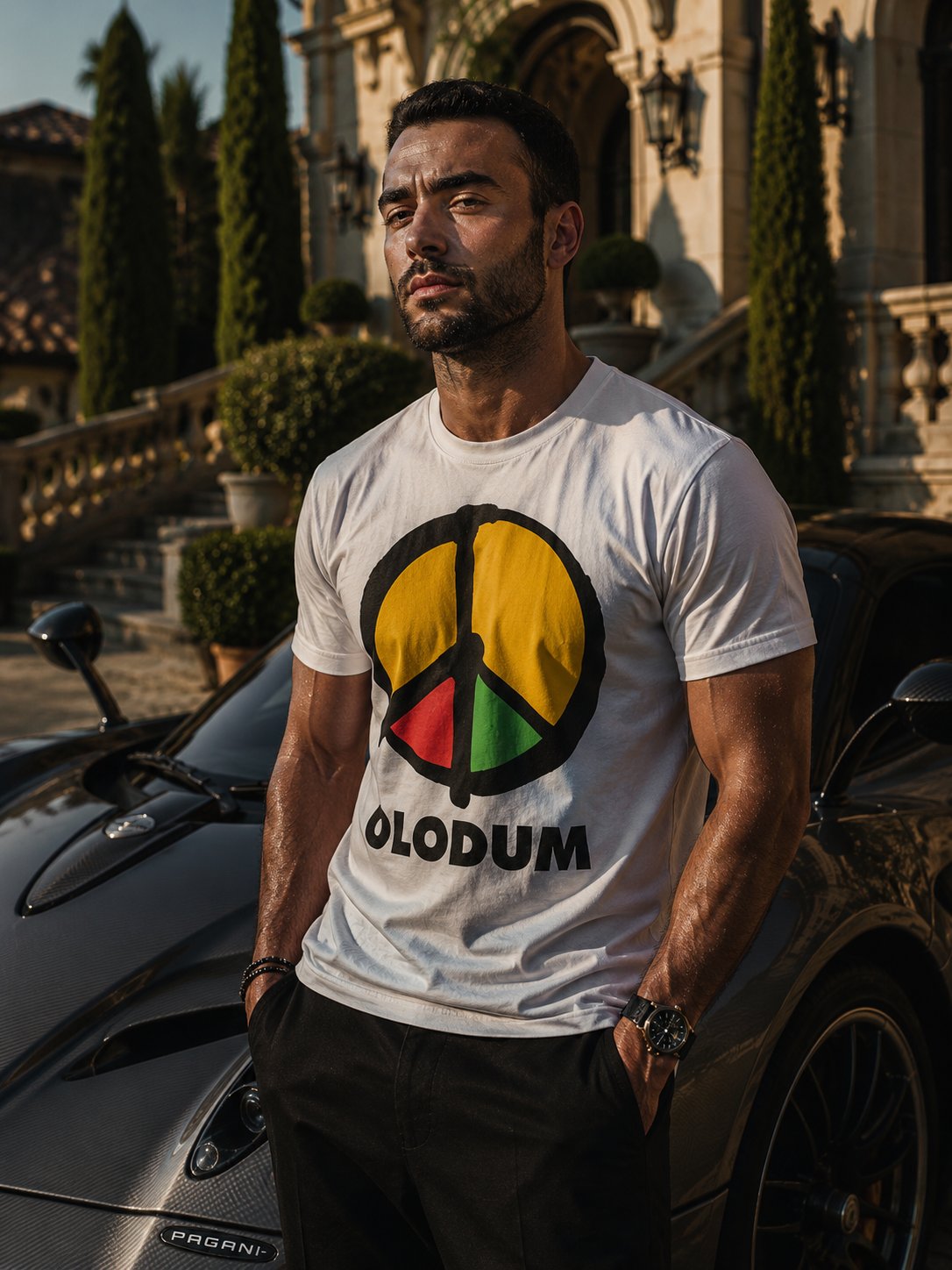
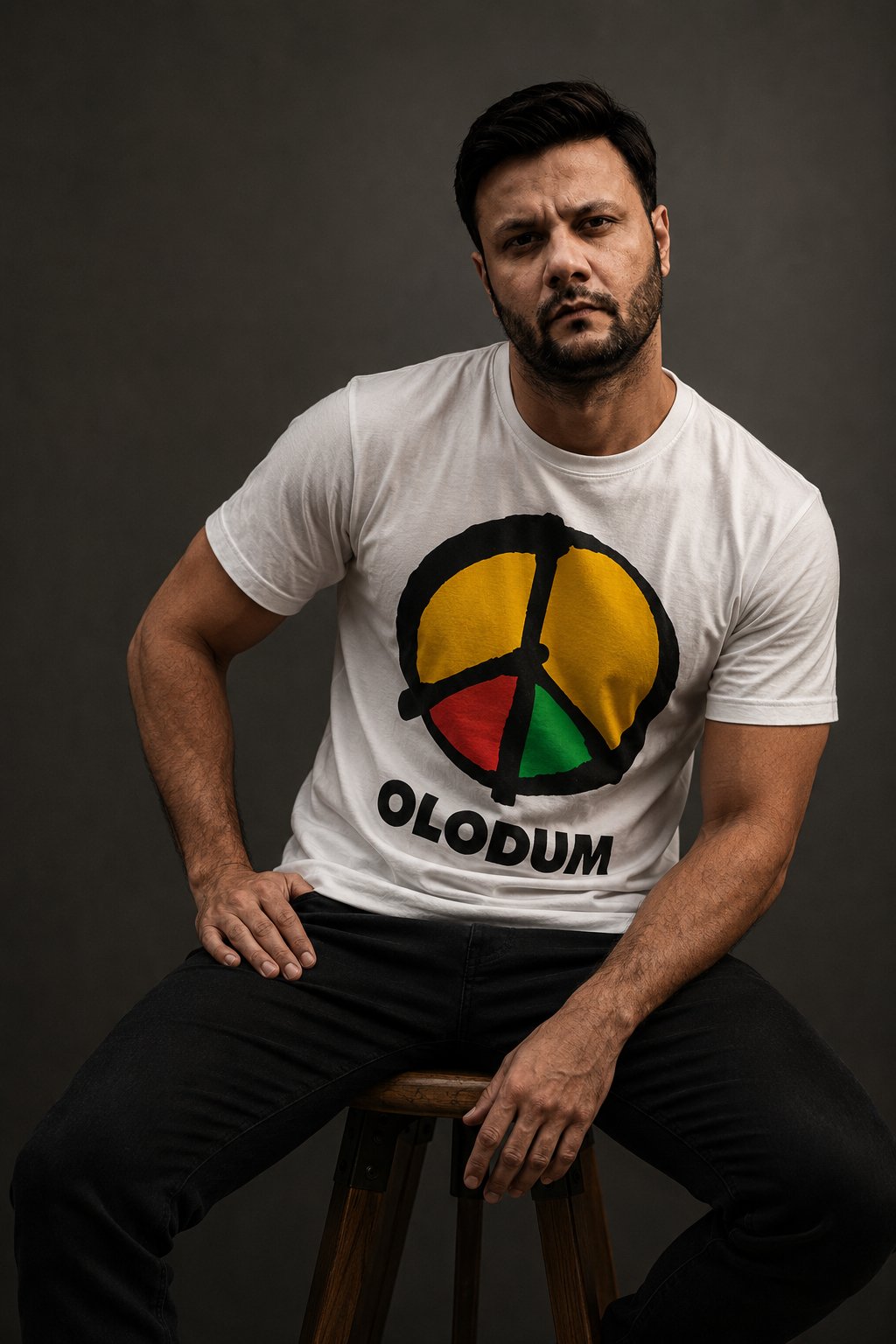
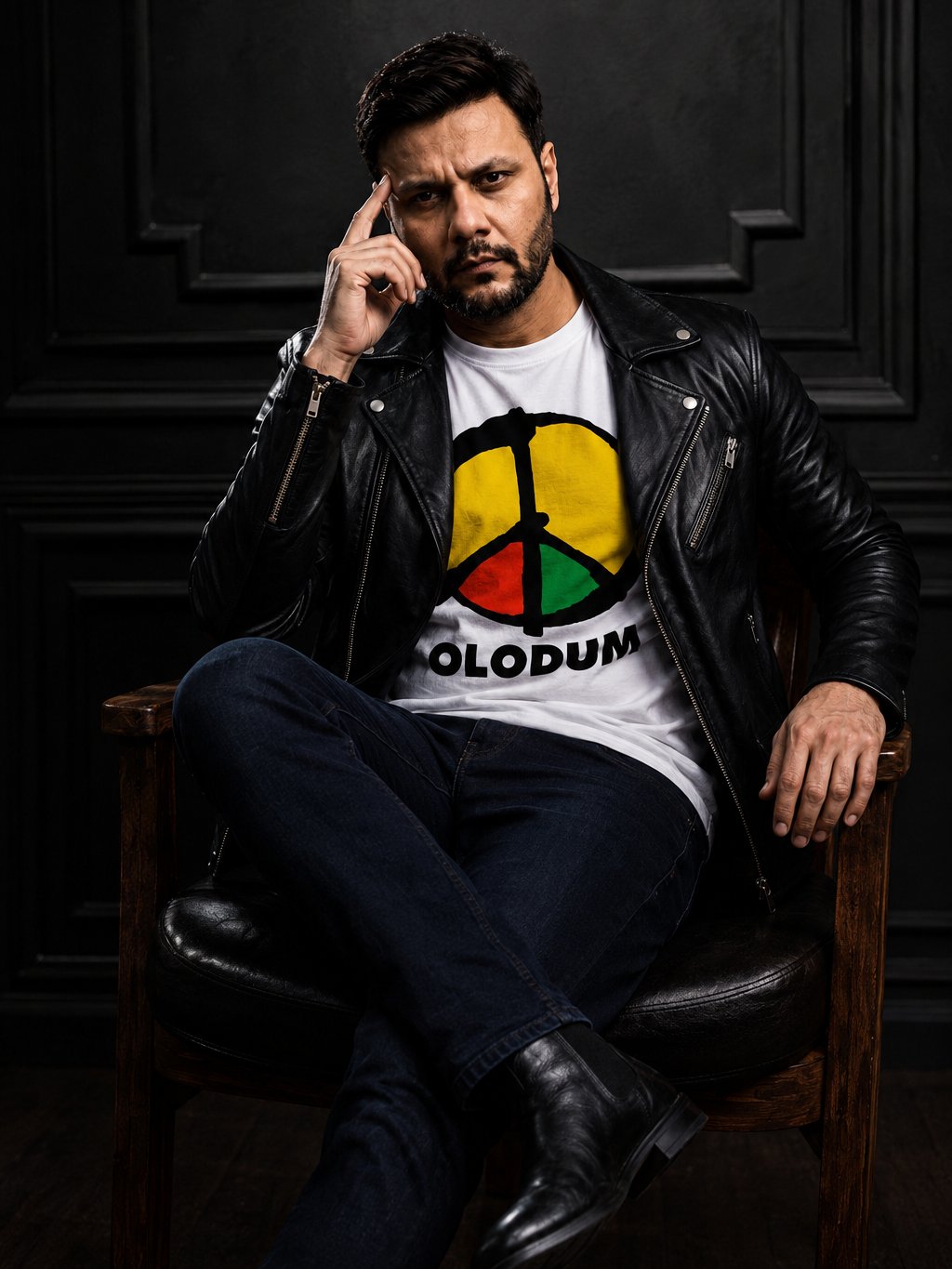
You've seen the shirt. Now hear the drums.
When Michael Jackson flew to Salvador, Brazil, to film They Don't Care About Us in 1996, he wore an Olodum t-shirt and danced through the cobblestone streets of Pelourinho. The world watched the King of Pop, but the soundtrack belonged to another kind of royalty. That moment beamed Olodum into 140 countries, cementing a symbol that had already been thundering for nearly two decades. But Olodum's story started long before that helicopter touched down.
Pelourinho, 1979
Olodum was born not from a desire to simply make music, but from a raw, urgent need for cultural and social affirmation. Founded on April 25, 1979, in the historic heart of Salvador, the group emerged during the final, suffocating years of Brazil's military dictatorship. Deep racial inequality still defined daily life for Afro-Brazilians, who were pushed to the margins of a society that refused to see them. Olodum was the answer.
Its name derives from the Yoruba word Olodumaré — meaning God of Gods. From day one, Olodum stood for Black pride, Pan-African heritage, and the right to exist loudly, joyfully, and without apology.
The Sound They Invented
This wasn't just a drum circle. Olodum is widely credited with developing samba-reggae — a seismic fusion of traditional Brazilian samba with merengue, salsa, and the rolling heartbeat of reggae, born in the Bahian Carnival of 1986. Their drum corps, often swelling to more than 200 percussionists, produces dense, walking polyrhythms and call-and-response vocals that blend Bahian music with Caribbean and diasporic influences. To hear them is to feel the earth move.
The Moment That Changed Everything
By the time Jackson arrived, Olodum had already collaborated with Paul Simon. They would later record with Brazilian metal titans Sepultura. But it was that one video — drums thundering through the cobblestone alleys of Pelourinho, the King of Pop in that unmistakable shirt — that detonated their fame. The media exposure introduced Olodum to the world, bringing global recognition and, finally, the credibility they had always deserved at home. The shirt became a badge.
What the Shirt Means
The Olodum logo — its hand-and-drum motif painted in Pan-African red, gold, green, and black — became a global emblem of Black identity and resistance. It means the streets of Pelourinho, where the ghosts of slavery were drowned out by living rhythm. It means 200 drummers playing as one, a single organism of sound. It means a community that turned poverty and marginalisation into one of the most recognisable, most sampled, most powerful sounds on earth.
So wear it knowing what it carries. Not just nostalgia for a music video. But the weight of a drum, the pride of a people, and the memory of a god who still speaks through the beat.
FAQ Section
Q: What does the Olodum t-shirt mean? The Olodum t-shirt is a symbol of Afro-Brazilian resistance, Black pride, and cultural identity. The iconic Olodum logo — with its hand-and-drum motif and Pan-African colours — became a global emblem of Black identity and resistance, seen on t-shirts, murals, and artwork from Salvador to the rest of the world. It gained global recognition when Michael Jackson wore it in the 1996 music video for They Don't Care About Us, filmed in Salvador, Brazil. Remote Expeditions
Q: Who is Olodum? Olodum is an internationally acclaimed Afro-Brazilian cultural group from Bahia, Brazil, founded in 1979 as a bloco afro — a Bahian Carnival association highlighting African heritage and Black pride through music, dance, theatre, and art. flic
Q: Why did Michael Jackson wear an Olodum shirt? Michael Jackson wore the Olodum shirt while filming They Don't Care About Us with director Spike Lee in Pelourinho, Salvador. The video featured scenes with the massive Olodum drum corps performing in the historic district. It was a deliberate statement of solidarity with the community and with Afro-Brazilian culture. Clubmj